At a Glance:
- Matching ATV tyres to your specific terrain and riding purpose helps narrow your options.
- Evaluate tyre sizing and fitment for your ATV to ensure safe handling and consistent performance.
- Compare ply and load ratings that suit your actual riding demands and workloads.
- Compare tread patterns, durability, and long-term value instead of relying on price alone.
Choosing ATV tyres requires comparing numerous tread designs, ply ratings, construction types, sizing codes, and a wide range of price points. With all these details to look for, it can be confusing what really matters and which options fit your riding needs, especially for first-time owners.
Selecting ATV tyres becomes much easier with proper guidance. Once you understand how terrain, load, and riding style affect tyre performance, the comparison process becomes clearer and more practical.
This article provides a straightforward framework for comparing ATV tyres in Australia. Instead of discussing brands or complex specifications, this guide focuses on the essential factors that help you make informed buying decisions.
Start With Terrain and Riding Purpose
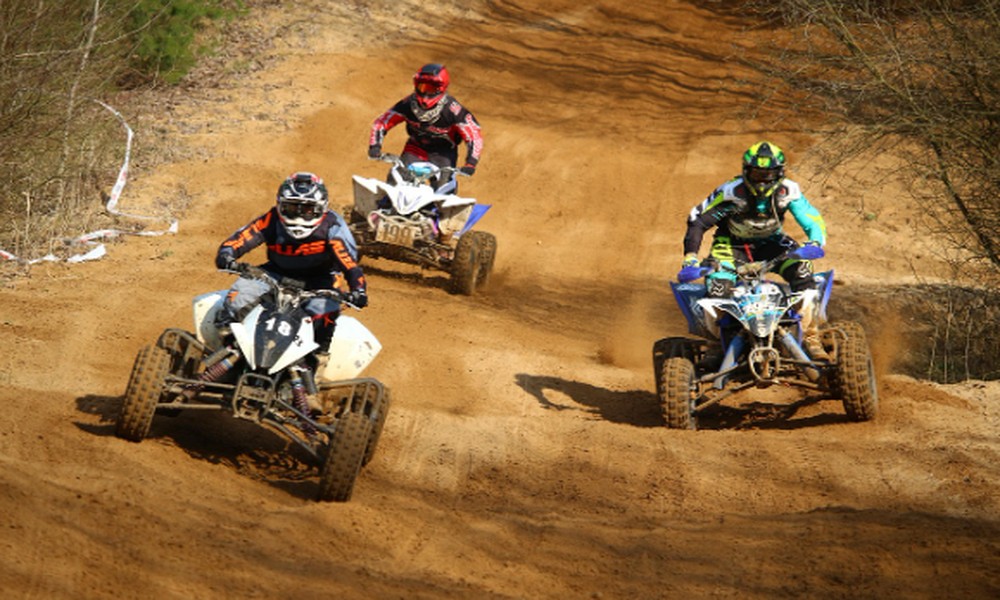
ATV tyres feature unique designs to deliver maximum grip, durability, and handling across different surfaces such as sand, mud, bush tracks, and mixed terrain. Comparing tyres is easier when you match your specific terrain to tyres designed for it. That way, you can focus on what works for you instead of getting caught up in technical terms.
Your riding purpose is equally important, as trail-riding, hauling equipment, and utility work impose different demands on tyre performance. Recreational riders should look for tyres that offer smoother control and steady traction. In contrast, farm workers benefit from tyres with durability and strong impact resistance.
Check Sizing and Fitment Accuracy
Understanding the impact of ATV tyre size makes comparisons much easier. Consider tyre width, profile, and rim diameter, as these measurements also affect steering response, balance, and handling. Before purchasing, check the tyres’ sidewalls for markings to pick what’s ideal for your use.
Moreover, tyres that exceed Original Equipment Manufacturer (OEM) recommendations can affect clearance, alignment, and overall ATV performance. Staying close to the manufacturer’s specifications ensures predictable vehicle behaviour and consistent performance, reducing the risk of rubbing or misalignment.
Compare Ply Rating and Load Rating
The same tyre model may be available in different ply ratings, a number that indicates its strength and load-carrying capacity. Understanding higher and lower ply ratings and how they impact riding makes tyre comparison easier. Higher ply ratings provide puncture resistance, load support, and stability, while lower ply ratings offer more flexibility and ride comfort for light applications.
Load rating defines the maximum load a tyre can safely support. So, if you need to carry tools, tow equipment, or operate on agricultural properties, look for correct ATV load ratings to maintain safety and efficiency. Choosing ratings that match real workloads ensures predictability in handling and tyre longevity.
Assess Tread Patterns Based on Function
Directional, v-pattern, paddle-style, and straight-block lugs each influence traction in different ways. Directional patterns enhance forward drive, v-patterns offer grip and cornering, and paddle treads improve grip on soft sand. Assess tread patterns properly to pick the tyre to fit your riding conditions.
Also consider lug spacing and shoulder design, as they further refine tyre performance across different terrains. Wider lugs help shed mud, while tighter lug spacing improves stability on hardpack and rocky surfaces. Shoulder blocks should also be analysed as they improve cornering and grip on rough terrains.
Compare Based on Value Rather Than Price
Many buyers compare tyres solely by price; however, this does not represent their actual usefulness. Value offers a clearer measure of long-term suitability.
The prices differ according to compound quality, tread engineering, and construction precision. Going for a cheaper option could mean you are compromising on handling, safety, and performance.
Checking reviews, rider feedback, and supplier specifications gives real insight into how tyres perform on the ground. Brand reputation also plays an important role, as established manufacturers typically deliver consistent quality and better long-term support. Looking beyond initial cost helps buyers select tyres that deliver performance across different terrains.
Choosing the right ATV tyres becomes far less overwhelming when you focus on the factors that affect performance. Understanding your riding conditions, checking sizing, comparing ply and load ratings, and considering price all help narrow down the options. Moreover, evaluating tread patterns by function rather than appearance also enables a more practical comparison.
Reviewing options from an established ATV tyre supplier shows how different constructions, tread patterns, and ratings affect real-world performance.