For decades, bicycle design was locked into a rigid visual formula: a high, straight top-tube that formed a classic triangle. If you wanted a bike that was considered “serious” or “rugged,” you had to swing your leg over a frame that required flexibility and balance just to mount the saddle. Traditional step-through frames-where the top-tube is dropped low or removed entirely-were casually dismissed as “beach cruisers” or “city bikes.”
But the electric revolution has completely rewritten the geometry rulebook.
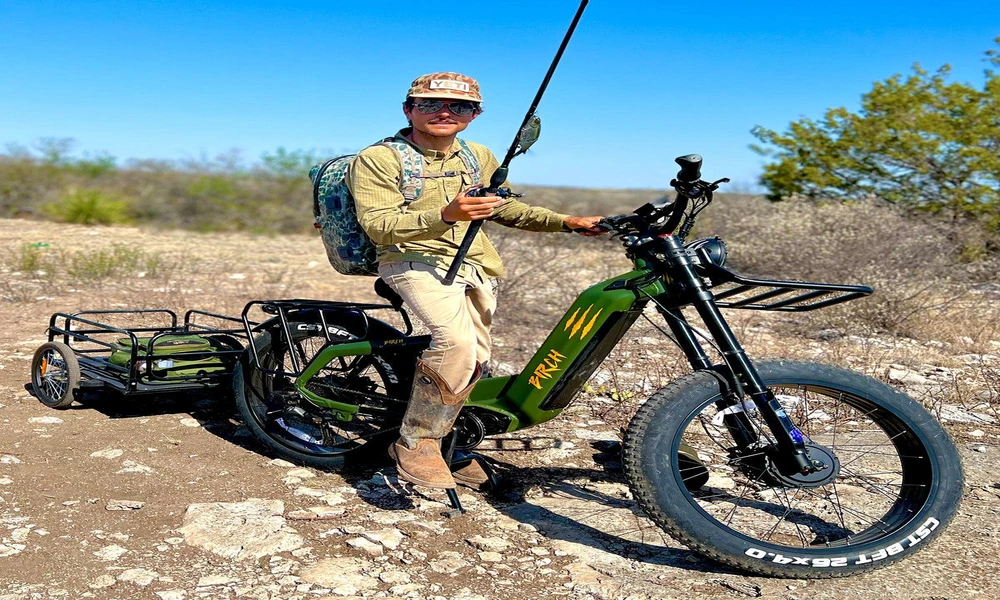
As e-bikes have grown more capable, riders have discovered a hard physical truth: when you combine a heavier frame, a massive battery, and bags full of gear, a traditional high-step frame becomes a liability. Today, heavy-duty step-through e-bikes are dominating the market, proving that prioritizing comfort, accessibility, and ease of mounting doesn’t mean sacrificing an ounce of rugged trail capability.
Whether you are navigating stop-and-go urban traffic on your daily commute or packing gear down a rugged gravel road, here is the honest, field-tested reality of why step-through geometry offers the most comfortable and stable ride on two wheels.
1. Ergonomics: Mounting Without the Wrestling Match
Let’s clear up the biggest practical advantage of step-through architecture: getting on and off the bike.
[High-Step Frame] —> Must swing leg over rear cargo, risking a tip-over.
[Step-Through Frame] —> Easily step directly through the low chassis center.
On a traditional mountain or commuter bike, mounting requires you to tip the bike slightly sideways, lift your leg high over the rear rack, and swing it across. Now, multiply that difficulty by an e-bike’s physical reality:
- The bike doesn’t weigh 25 pounds anymore; it weighs 75 to 95 pounds due to the motor and battery.
- You likely have a basket, a commuter pannier, or a loaded gear bag strapped to the rear rack.
Trying to swing your leg over a towering pile of gear while balancing a 90-pound machine on a loose gravel incline or a slick city street is a recipe for an embarrassing and painful tip-over. A step-through frame dissolves this entire friction point. You simply step your foot directly through the center of the frame-inches off the ground-and sit down. It removes the physical hurdle of starting your ride, making it an absolute game-changer for riders with lower back stiffness, knee injuries, or shorter inseams.
2. The Stop-and-Go Sweet Spot: Low Center of Gravity
Comfort isn’t just about how you feel while moving; it’s about how stable you feel when you have to stop.
When you pull up to a red light or pause on a steep trail to check your map, a step-through frame allows you to immediately step forward off the saddle and plant both feet flat on the pavement. You don’t have to awkwardly tilt the bike to one side or worry about the top-tube catching you off guard if your foot slips on wet asphalt.
Furthermore, modern step-through designs integrate the heavy lithium-ion battery cells directly inside the down-tube. This places the heaviest component of the bike as close to the ground as possible.
This low center of gravity provides a distinct, planted riding sensation. The bike doesn’t feel top-heavy when you lean into a sharp turn, and it drastically reduces the “twitchy” handlebar feeling when navigating potholes or gravel ruts at 28 mph.
3. The Structural Myth: Are Step-Through Frames Weak?
I promised to include the imperfections, so let’s address the elephant in the room: frame flex.
Historically, removing the top-tube meant losing a key structural support of the bicycle triangle. Early step-through frames were notorious for “ghost steering” or flexing under heavy loads, which felt incredibly unsettling at high speeds.
Old City Step-Thru: Thin tubes + No bracing —> Noticeable frame flex at speed.
Modern Moto Step-Thru: Thick 6061 Aluminum + Internal Gussets —> Tank-like rigidity.
But engineering has caught up. Modern heavy-duty step-through e-bikes don’t use the thin, fragile tubing of old city cruisers. Instead, they utilize oversized, reinforced 6061 aerospace aluminum with internal gussets and thick weld points around the bottom bracket.
The result? Modern step-through rigs possess the exact same 400 to 450-pound payload capacities as their high-step siblings. You can load down the rear rack with heavy groceries or outdoor gear without the chassis twisting or flexing beneath you.
The only real trade-off is weight. To make a step-through frame completely rigid without that top horizontal bar, manufacturers have to use thicker aluminum walls near the base. This typically adds about 3 to 5 pounds to the total weight of the frame compared to a standard high-step model.
4. What to Look For for Ultimate Comfort
If you are shopping for a step-through e-bike specifically to maximize ride comfort, make sure the spec sheet includes these three critical components:
| Feature | What it Does | Why it Matters for Comfort |
| Torque Sensor | Matches motor assistance smoothly to your actual foot pressure. | Eliminates the sudden, jarring “jerks” of power common with cheap cadence sensors, saving your knees. |
| Hydraulic Front Fork | Absorbs high-frequency road vibration and deep potholes. | Takes the sustained road impact off your wrists, forearms, and shoulders during long rides. |
| Dropper or Suspension Seatpost | Isolates your spine from bumps or lowers the seat instantly at stops. | Keeps your lower back fresh and allows you to drop the saddle flat to the frame when coming to a halt. |
The Final Verdict
Choosing a step-through frame isn’t a sign that you’re slowing down-it’s a sign that you’re riding smarter. By lowering the standover height, optimizing the center of gravity, and pairing the geometry with robust, modern componentry, a step-through e-bike strips away the physical anxiety of managing a heavy machine. It delivers a plush, stable, and incredibly confident ride that allows you to stay in the saddle longer, explore further, and focus entirely on the horizon ahead.
What does your ideal weekend ride look like? Whether you are looking to glide down urban commuter lanes or explore rugged country fire roads, I can help you evaluate the step-through geometry and tire sizes of the top models to find the perfect fit for your back and knees!