Every mile you drive affects your vehicle. While regular maintenance is important, your daily driving habits also play a major role in determining how long your car remains reliable. Many drivers unknowingly put extra stress on their engines, brakes, tires, and suspension through small actions that add up over time. Fortunately, adopting smarter driving habits can significantly reduce wear and tear while helping you avoid costly repairs.
Improving daily driving habits can significantly increase vehicle longevity for drivers who wish to spend less time in auto shops in Aurora, Colorado.
Let Your Vehicle Warm Up Naturally
Long warm-up times before driving are not necessary for modern cars. Instead of letting the engine idle for several minutes, start the vehicle and drive gently for the first few miles. This allows engine oil to circulate properly while helping all mechanical components reach their normal operating temperatures.
Driving aggressively immediately after starting the engine can increase strain on internal parts before proper lubrication has been established.
Accelerate With A Steady Foot
Rapid acceleration may feel exciting, but it forces the engine and transmission to work much harder than necessary. Frequent hard launches also increase fuel consumption and place additional stress on drivetrain components.
Applying gradual pressure to the accelerator allows your vehicle to shift smoothly and operate more efficiently. Over time, this simple habit can reduce unnecessary wear on several major systems.
Maintain A Safe Following Distance
Tailgating often leads to repeated hard braking, which accelerates brake pad and rotor wear. You have more time to respond to shifting traffic conditions if you maintain a comfortable distance from the car in front of you.
Smoother braking not only extends the life of your braking system but also creates a safer driving experience for everyone on the road.
Avoid Carrying Unnecessary Weight
Many vehicles become temporary storage spaces for sports equipment, tools, boxes, and other heavy items that remain in the trunk for weeks or months.
Additional weight not only increases engine effort but also strains the brakes, tires, and suspension components. Removing unnecessary cargo improves fuel efficiency while reducing long-term strain on your vehicle.
Watch Out For Road Hazards
Potholes, uneven pavement, speed bumps, and road debris can damage wheels, tires, suspension parts, and steering components. While some hazards are unavoidable, staying alert gives you a better chance of safely avoiding them.
Reducing impacts from rough road conditions helps preserve wheel alignment and minimizes the risk of expensive suspension repairs.
Shift Gears Smoothly
For drivers of manual transmission vehicles, smooth clutch operation plays a significant role in reducing wear. Avoid riding the clutch or resting your foot on the pedal while driving.
Before switching between drive and reverse, automatic gearbox drivers should also completely stop. These simple practices help protect transmission components from unnecessary stress.
Pay Attention To Tire Pressure
Properly inflated tires improve handling, braking, and fuel economy while wearing more evenly. Driving on underinflated or overinflated tires causes uneven tread wear and increases the likelihood of tire damage.
Checking tire pressure regularly takes only a few minutes but contributes to safer driving and longer tire life.
Reduce Short Trips Whenever Possible
The engine cannot attain its optimal operating temperature on short rides. This can lead to increased moisture buildup, incomplete fuel combustion, and faster oil contamination.
Whenever practical, combine multiple errands into one longer trip. This allows your vehicle to operate more efficiently and reduces repeated cold starts that place additional stress on engine components.
Listen To Changes In Your Vehicle
Your car often provides early warning signs before a small issue becomes a major repair. New noises, unusual vibrations, dashboard warning lights, or changes in handling should never be ignored.
Addressing minor concerns early often prevents larger mechanical failures and helps keep repair costs under control. Many drivers who regularly visit trusted auto shops discover that early inspections save both time and money.
Keep Your Vehicle Clean
Road salt, dirt, mud, and other contaminants can gradually damage your vehicle’s exterior and undercarriage. Washing your vehicle regularly removes harmful buildup that may contribute to corrosion over time.
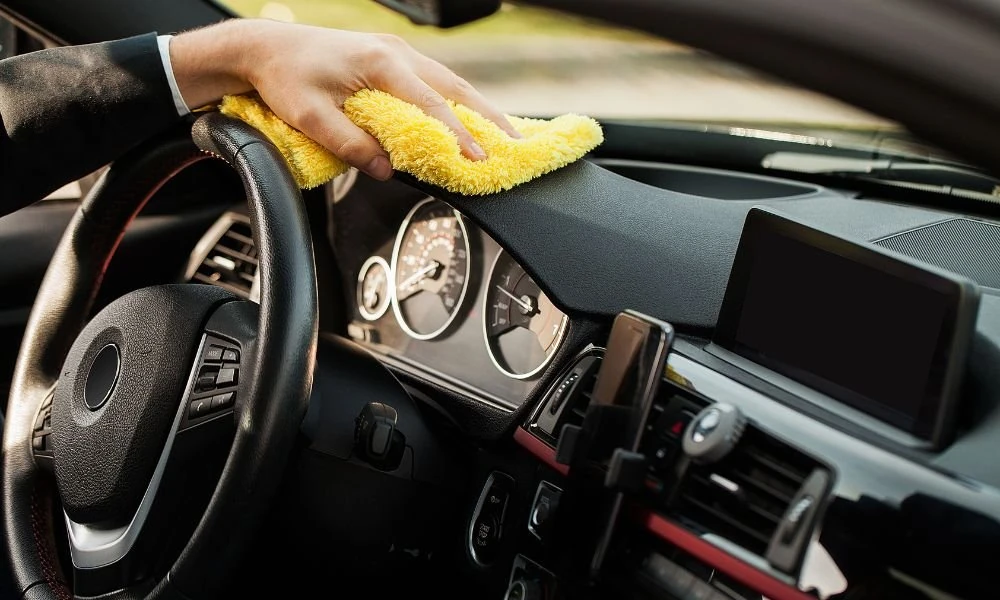
Cleaning the interior also helps preserve upholstery, controls, and other surfaces, maintaining both comfort and resale value.
Conclusion
Protecting your vehicle does not always require expensive upgrades or complicated maintenance routines. Many of the most effective ways to reduce wear and tear come from simple driving habits practiced every day. Smooth acceleration, careful braking, proper tire care, avoiding unnecessary weight, and paying attention to early warning signs all contribute to a healthier vehicle. You may increase dependability, save maintenance costs, and have a more dependable driving experience for years to come by incorporating some minor changes into your daily routine.