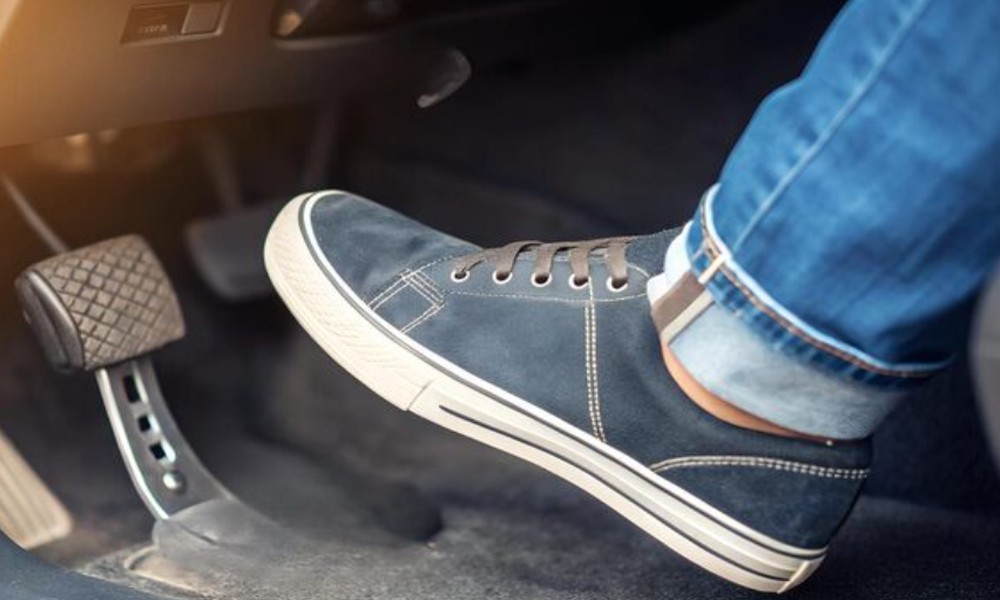
A soft brake pedal is one of those car problems you should never brush off. It may start small. Maybe the pedal feels a little lower than usual. Maybe it feels spongy when you press it. Or maybe you need to push harder just to stop the car.
At first, it may not seem like an emergency. But your brakes are not something to guess about. A soft brake pedal can mean there is air, moisture, fluid loss, or worn parts inside the braking system. Some causes are minor if caught early. Others can become dangerous very fast.
If your brake pedal feels soft, spongy, or sinks too far down, it is best to understand what may be happening and when to stop driving.
What Does a Soft Brake Pedal Mean?
A soft brake pedal means the pedal does not feel firm when you press it. Instead of giving steady resistance, it may feel spongy, weak, low, or slow to respond.
You may notice:
- The pedal goes closer to the floor than normal
- The pedal feels squishy or springy
- The car takes longer to stop
- You need to pump the brakes to build pressure
- The brake pedal slowly sinks while you hold it down
- The brake warning light turns on
A healthy brake pedal should feel firm and predictable. It should not feel like stepping on a wet sponge. If it does, something in the system needs attention.
1. Air in the Brake Lines
Air in the brake lines is one of the most common causes of a soft brake pedal.
Your brake system uses hydraulic pressure. When you press the brake pedal, brake fluid helps transfer that pressure to the brakes at each wheel. Brake fluid does not compress easily, which is what makes the system work.
Air is different. Air compresses. So if air gets into the brake lines, your pedal may feel soft or spongy because some of your pedal pressure is being wasted compressing air instead of applying the brakes.
This can happen after brake repairs, low brake fluid, or a leak in the system. The fix usually involves bleeding the brakes to remove trapped air. But the reason air entered the system should also be checked.
2. Low Brake Fluid
Low brake fluid can also cause a soft brake pedal. Brake fluid is needed to create pressure in the braking system. If the fluid level gets too low, the system may not work properly.
Low brake fluid can happen because of worn brake pads, but it can also mean there is a leak. That is the part you should take seriously.
Check the brake fluid reservoir under the hood. If the fluid is below the recommended level, do not just top it off and forget about it. Brake fluid does not normally disappear. If it is low, there is usually a reason.
A leak may be coming from a brake line, hose, caliper, wheel cylinder, or master cylinder. Any brake fluid leak can become dangerous.
3. Brake Fluid Leak
A brake fluid leak is one of the more serious causes of a soft brake pedal. If fluid is escaping from the system, the brakes may lose pressure.
Signs of a brake fluid leak include:
- Wet spots near the wheels
- Fluid under the car
- Low brake fluid level
- Brake warning light
- Pedal sinking toward the floor
- Weak braking response
Brake fluid is often clear, light yellow, or brownish. It may feel slippery to the touch. If you see fluid near a wheel or under the vehicle and your brake pedal feels soft, do not drive the car until it is checked.
A leak can get worse quickly. If enough pressure is lost, the brakes may fail.
4. Worn Brake Pads or Shoes
Worn brake pads or brake shoes can make the pedal feel lower than normal. As the friction material wears down, the braking system may need more movement to apply enough stopping force.
Usually, worn pads do not create a very spongy pedal by themselves, but they can contribute to a soft or low pedal feel. You may also hear squealing, grinding, or scraping sounds.
If the pads are worn too far, metal parts can rub against the rotors or drums. That can damage more parts and raise repair costs.
This is why regular brake inspections matter. Replacing pads early is much cheaper than replacing damaged rotors, calipers, or drums later.
5. Bad Master Cylinder
The master cylinder is a key part of your brake system. It helps create and control hydraulic pressure when you press the brake pedal.
If the master cylinder is failing, the pedal may feel soft, sink slowly, or lose pressure while you are stopped. For example, you may press the brake pedal at a red light and feel it slowly drop toward the floor.
That is not normal.
A failing master cylinder can be dangerous because it may not hold pressure properly. Sometimes there is no obvious external leak because the problem is happening inside the part. If the brake pedal sinks while you hold steady pressure, the master cylinder should be inspected right away.
6. Moisture or Old Brake Fluid
Brake fluid absorbs moisture over time. This is one reason brake fluid should be changed based on the vehicle’s maintenance schedule.
When brake fluid gets old or contaminated, it can affect braking performance. Moisture can also lower the fluid’s boiling point. Under heavy braking, the fluid may get hot and create vapor in the system. Vapor acts like air, which can make the pedal feel soft.
Old fluid can also contribute to corrosion inside brake parts.
If your brake fluid looks very dark, dirty, or has not been changed in years, it may be time for a brake fluid service.
7. Faulty Brake Hoses
Brake hoses carry fluid to the brake parts at the wheels. Over time, these rubber hoses can wear out, swell, crack, or weaken.
A damaged hose may expand when you press the brake pedal. When that happens, some pressure goes into swelling the hose instead of applying the brakes. This can create a soft pedal feel.
In some cases, a brake hose can also collapse internally and cause uneven braking or dragging brakes. Since brake hoses are exposed to heat, road debris, moisture, and movement, they should be inspected when brake problems appear.
8. Problems After Brake Work
If your brake pedal became soft right after brake repairs, there may be air in the system or something may not have been adjusted correctly.
This can happen after replacing calipers, brake lines, wheel cylinders, or other hydraulic parts. Drum brakes may also need proper adjustment after service.
A soft pedal after brake work should be checked right away. It may only need bleeding or adjustment, but it should not be ignored.
When Does a Soft Brake Pedal Become Dangerous?
A soft brake pedal becomes dangerous when your car takes longer to stop, the pedal sinks toward the floor, you need to pump the brakes, or you see signs of leaking brake fluid.
Stop driving and get help if:
- The pedal goes to the floor
- The brake warning light is on
- You see brake fluid leaking
- The car does not stop normally
- You hear grinding
- The pedal keeps sinking while pressed
- Brakes feel weak after pumping
- One wheel smells hot or looks wet
Even if the car still stops, the problem can get worse. Brakes rely on pressure. If pressure is being lost, you cannot trust the system.
Final Thoughts
A soft brake pedal can be caused by air in the brake lines, low brake fluid, leaks, worn pads, old fluid, bad hoses, or a failing master cylinder. Some problems are simple if caught early. Others can lead to brake failure.
The safest move is to have the brakes inspected as soon as the pedal feels different. Brakes should feel firm, steady, and predictable. If they feel soft or spongy, your car is telling you something important.
Do not wait until stopping becomes difficult. Fixing a brake problem early can protect you, your passengers, and everyone else on the road.
This post was written by a professional at Tires2Go Florida. Tires2Go Florida is a trusted automotive service center located in tire shop Pinellas Park, Florida, serving drivers across St. Petersburg, Tampa, Clearwater, and Largo. Our certified mechanics handle tire and wheel replacement, brake service, suspension repairs, oil changes, wheel alignments, tire balancing, and road force balancing. We also specialize in ADAS calibration, suspension modifications, lift kits, and lowering kits using quality parts and modern diagnostic equipment. From routine maintenance to advanced automotive services, Tires2Go Florida provides dependable solutions and tires for sale for vehicles throughout the Tampa Bay area.