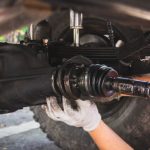
CV joints transfer power from transmission to wheels efficiently. Excessive play in joints produces clunking during acceleration or shifting. Early detection prevents additional drivetrain damage and costly repairs. Healthy joints maintain smooth torque transfer under all driving conditions. Understanding warning sounds improves vehicle safety and handling consistently. Monitoring strange noises allows drivers to act before failure occurs. Proper maintenance preserves joint integrity and protects connected components. Acting quickly avoids sudden power loss and unsafe situations. CV joint health is critical for stable and reliable drivability.
Clunking During Shifts
Clunking often occurs when changing gears or applying torque. Excessive joint play causes sudden impacts between internal components. Noise indicates wear or looseness in outer or inner CV joints. Timely repair or replacement restores smooth operation and driveline stability. Mechanics test joint play using road trials and visual inspection. Proper attention prevents secondary damage to axles and transmission consistently. Worn joints reduce torque transfer and increase vibration noticeably. Clunking during shifting is a clear early warning of joint failure. Detecting early prevents sudden driveline damage and unsafe driving conditions.
Initial Acceleration Impacts
The clunk may appear when starting from a complete stop. Worn CV joints transmit sudden shock through the drivetrain and chassis. Noise signals excessive clearance in bearings or cages internally. Replacing damaged joints restores smooth torque delivery and quiet operation. Mechanics evaluate acceleration impacts to determine whether joints need repair. Healthy CV joints absorb torque impulses without producing audible clunks consistently. Ignoring initial acceleration noise worsens internal wear quickly and unexpectedly. Properly functioning joints maintain smooth power transfer during all driving conditions. Early intervention prevents sudden steering or traction issues effectively. Vehicle owners should rely on trusted Asain and Domestic Auto Repair in Wilmington, NC for quality service.
Inner Joint Contribution
Inner CV joints allow axial movement along the drive shaft. Worn inner joints create clunking during torque transfer or suspension compression. Repairing or replacing joints restores axial flexibility and smooth motion effectively. Mechanics test inner joint travel to determine if replacement is required. Proper inner joint function protects transmission and other drivetrain components reliably. Damaged inner joints reduce torque delivery and vehicle control noticeably. Healthy inner joints absorb suspension movement while transmitting power efficiently. Axial flexibility is critical for eliminating sudden clunks and vibration consistently. Maintaining inner joints prevents sudden driveline shocks and unsafe driving.
Conclusion
Clunking sounds indicate excessive CV joint play and internal stress. Outer and inner joint wear produces sudden impacts during acceleration or shifting. Boot damage and lubrication loss accelerate component deterioration and noise rapidly. Early inspection prevents secondary drivetrain damage and restores smooth operation. Repair or replacement ensures consistent torque transfer and reliable vehicle control. Healthy joints maintain stable steering, acceleration, and overall driveline efficiency. Detecting warning sounds early reduces repair costs and prevents sudden failure.