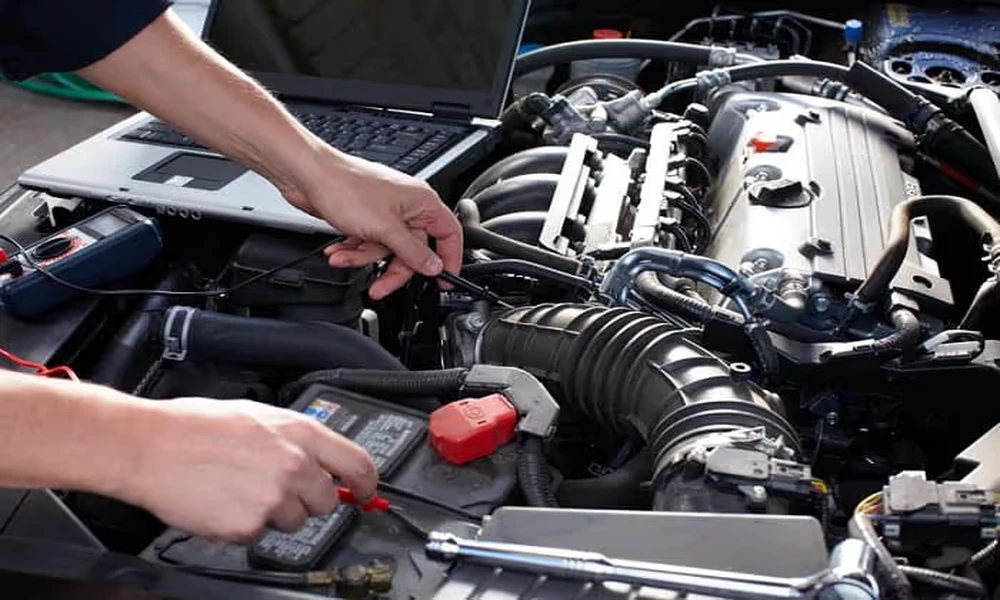
A timing belt replacement is rarely limited to the belt alone. The timing system contains several connected parts that work together. The belt keeps engine components moving in precise coordination. A small timing error can create serious engine problems. So, proper service often includes several related components. Now, understanding this process helps explain the complete repair cost. The approach also supports better engine reliability after the service. Auto Repair in Savannah, GA service can help explain which components need attention. This careful approach can prevent avoidable problems after timing belt replacement.
The Timing Belt Works with Several Important Components
The timing belt does not operate as an independent engine component. It works with pulleys and tensioners that maintain proper movement. The tensioner keeps suitable pressure across the timing belt. Idler pulleys help guide the belt through its required path. These components experience constant movement while the engine operates. However, hidden wear can remain inside bearings and moving surfaces. Replacing connected components together creates a more dependable timing system. This approach also reduces the chance of another major repair.
Complete Timing Service Can Provide Better Long-Term Value
A timing belt replacement involves more than installing a fresh rubber belt. The entire timing system should receive a careful mechanical inspection. This inspection identifies parts that could create future timing problems. Replacing related components can improve reliability after major service. It can also reduce the need for repeated disassembly. Motor Medics can inspect the timing system before recommending necessary repairs. This helps ensure the service remains practical and properly focused. The goal should always be dependable engine operation and predictable maintenance. Proper timing service can protect expensive internal engine components. It can also provide greater confidence during everyday driving.
Why Professional Timing Belt Service Matters
Timing belt work requires accurate installation and careful component inspection. Incorrect belt positioning can affect engine timing immediately. Serious internal damage may occur on certain engine designs. Therefore, professional service remains important for this type of repair. Motor Medics can evaluate the belt system and identify connected component wear. The technician can also follow the correct installation procedure. Proper tension is essential for stable timing belt performance.
Conclusion
Timing belt replacement often includes other components for practical mechanical reasons. The belt depends on tensioners and pulleys for proper operation. Water pumps may also share the same service area. Seals can require attention when leakage or deterioration appears. Replacing worn connected parts can prevent repeated repair work. It can also support stronger reliability across the complete timing system. But every vehicle has different service requirements and manufacturer recommendations. A professional inspection helps determine which components truly require replacement. Motor Medics can provide suitable guidance based on vehicle condition and service needs.